Quick answer: EU/EEA citizens can live and work in Greece freely — no visa needed, just register after 3 months. Non-EU citizens need a Type D visa before arrival and must apply for a residence permit within 30 days. EU citizens get unrestricted work rights; non-EU citizens need work-authorized permits. Both groups need an AFM (tax number) and AMKA (social security number) for long-term stays.
Overview: Two Different Systems
Whether you need a visa, a residence permit, or just a simple registration depends entirely on your nationality. Greece follows EU free movement rules for citizens of EU/EEA countries and Switzerland, while non-EU nationals face a separate — and more involved — immigration process. This guide breaks down the key differences so you know exactly what applies to you.
EU/EEA Citizens: Free Movement Rights
If you hold a passport from an EU member state, an EEA country (Iceland, Liechtenstein, Norway), or Switzerland, you have the right to live and work in Greece without a visa or residence permit. Here is what you need to do:
Stays Under 3 Months
No registration required. You can stay in Greece with just your national ID card or passport. No paperwork needed.
Stays Over 3 Months
If you plan to stay longer than 3 months, you must register with the local police station (Astynomia) and obtain a Certificate of Registration for EU Citizens (Bebaiosi Eggrafis Politon EE). This is not a residence permit — it is a simple registration confirming your right to stay.
To register, you need:
- Valid passport or national ID card
- Proof of employment, self-employment, or enrollment in an educational institution — OR proof of sufficient financial resources and health insurance if you are not working or studying
- Proof of accommodation (rental agreement or property ownership)
- Tax registration number (AFM) — obtained from the local tax office
The registration certificate is issued on the spot or within a few days. It has no expiry date and remains valid as long as you continue to meet the conditions.
Working in Greece as an EU Citizen
You can work in Greece — employed or self-employed — without a work permit. You have the same labor rights as Greek citizens. You will need an AFM (tax number) and an AMKA (social security number) to work legally and access public services.
Non-EU Citizens: Visas and Residence Permits
If you are a citizen of a country outside the EU/EEA, you generally need a visa to enter Greece for stays over 90 days, followed by a residence permit once you arrive. The type of visa and permit depends on your reason for coming to Greece.
Short Stays (Up to 90 Days)
Many non-EU nationals can enter Greece visa-free for up to 90 days within a 180-day period under the Schengen visa waiver. This applies to tourism, business visits, and short courses. Check whether your country has a visa waiver agreement with the Schengen area.
If your country is not on the visa waiver list, you need a Schengen short-stay visa (Type C) for visits up to 90 days.
Long Stays (Over 90 Days)
For stays longer than 90 days, you need a national long-stay visa (Type D) before arriving in Greece. Common types include:
- Student visa — for enrollment in a Greek educational institution
- Work visa — requires a job offer from a Greek employer
- Digital nomad visa — for remote workers with income from abroad (minimum €3,500/month)
- Family reunification visa — to join a family member already residing in Greece
- Investment/Golden Visa — for property investors (minimum €250,000–€500,000 depending on location)
After arriving on a Type D visa, you must apply for a residence permit within 30 days at the local immigration office.
Working in Greece as a Non-EU Citizen
You cannot work in Greece without proper authorization. Your residence permit must specifically allow employment. Student permits allow limited part-time work (up to 20 hours/week). Digital nomad visa holders can only work remotely for non-Greek employers.
Key Differences at a Glance
Here is a quick comparison:
| EU/EEA Citizens | Non-EU Citizens | |
|---|---|---|
| Visa needed? | No | Yes (Type D for stays over 90 days) |
| Residence permit? | No (registration certificate only) | Yes (apply within 30 days of arrival) |
| Right to work? | Yes, unrestricted | Only with work-authorized permit |
| Registration required? | After 3 months | Within 30 days of arrival |
| Healthcare access? | EHIC or local registration | Private insurance or permit-based |
Local Registration: What Everyone Needs
Regardless of nationality, anyone staying in Greece long-term should obtain:
- AFM (tax number) — from the local tax office (DOY). Required for renting, banking, and any financial transactions.
- AMKA (social security number) — from the local KEP (Citizens Service Centre). Required for healthcare and employment.
Both are free to obtain and can usually be done within a single visit to the relevant office.
How Mobee House Helps
Frequently Asked Questions
Do EU citizens need a visa to live in Greece?
No. EU/EEA citizens have the right to live and work in Greece without a visa. For stays over 3 months, you need to register with the local police and obtain a registration certificate (bebaiosi eggrafis).
Can non-EU citizens work in Greece?
Non-EU citizens need a valid work permit or a residence permit that allows employment. The type of work allowed depends on your visa category (student, digital nomad, employment, etc.).
What is the 90-day rule for non-EU visitors in Greece?
Non-EU passport holders from visa-exempt countries can stay in the Schengen area for up to 90 days within any 180-day period without a visa. Overstaying may result in fines and future entry bans.
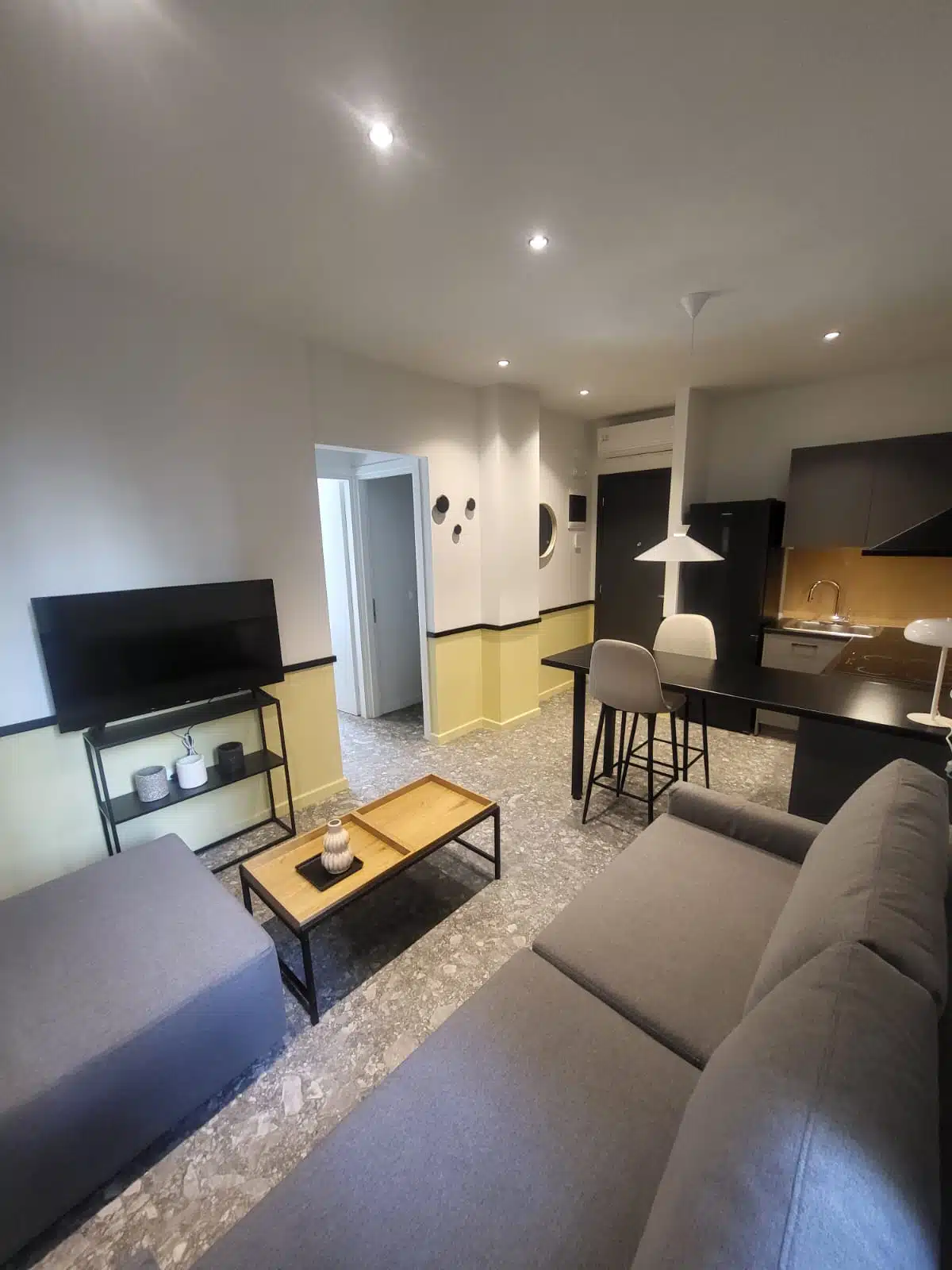
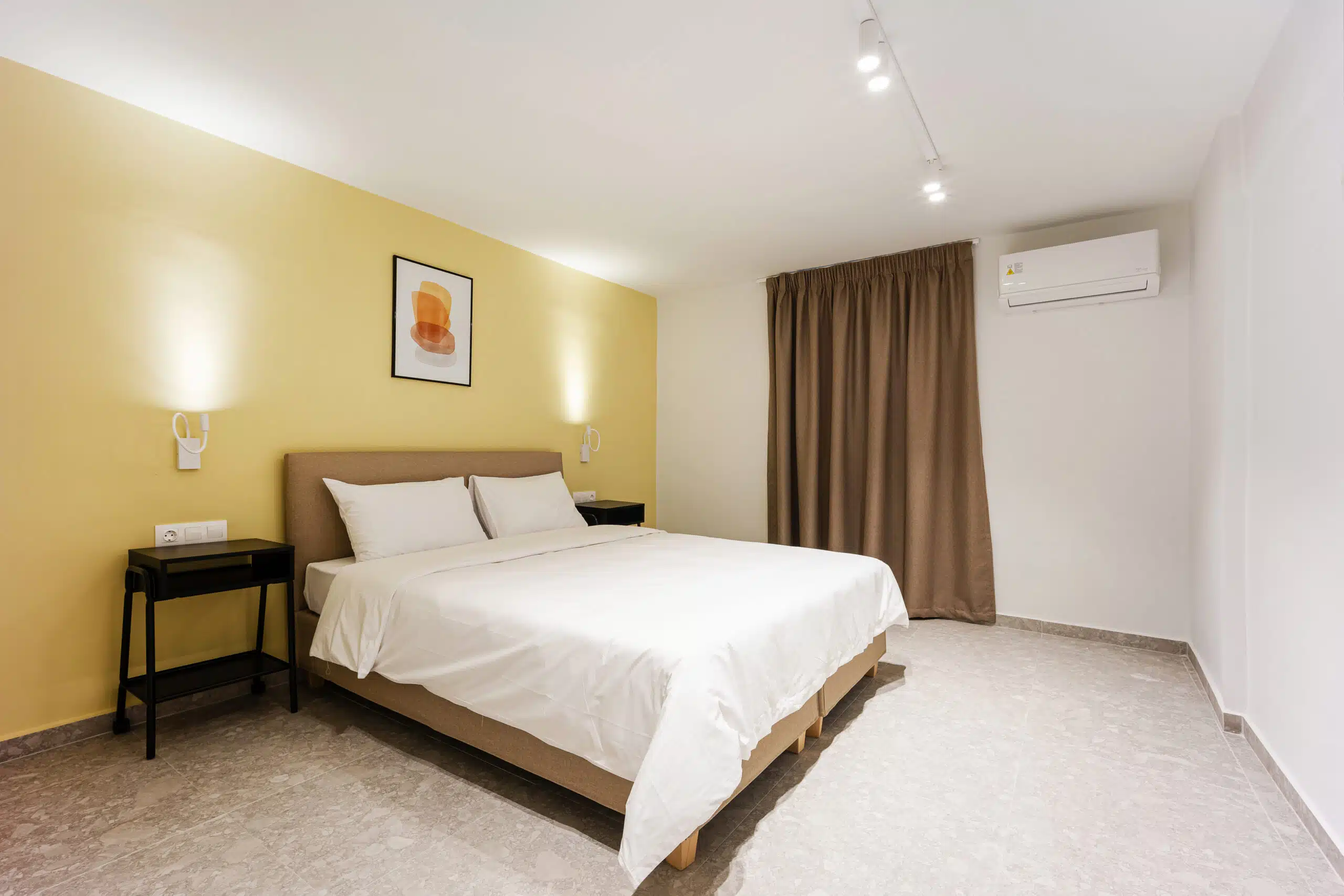
Whether you are an EU citizen registering for the first time or a non-EU student navigating the residence permit process, having confirmed accommodation makes everything easier. Mobee House provides furnished apartments in Kypseli, Athens, with rental agreements and accommodation confirmation letters that meet the requirements for both EU registration and non-EU residence permit applications. Contact us to find your apartment in Athens.